





Chocolate and wine share a reputation for indulgence, yet pairing them together requires more than picking a bottle and hoping it works. The right pairing reveals balance, where sweetness, acidity, and texture move together instead of competing with each other.
In this guide to chocolate and wine pairing, we explore how thoughtful combinations of wine and chocolate create harmony, allowing nuanced tasting notes to unfold with clarity. From structured reds to crisp whites and delicate rosés, each pairing invites a more refined way to enjoy flavor, shaped by craftsmanship and attention to detail that defines what we create at Compartés.
Table of Contents
- Red Wine Pairings: Bold & Intense
- White Wine Pairings: Crisp & Creamy
- Rosé and Blush Pairings: Delicate & Floral
- Create your own wine and chocolate pairing experience with Compartés
- Frequently Asked Questions
Red Wine Pairings: Bold & Intense
Red wine can be one of the more challenging matches for chocolate, largely because tannins and cacao can amplify dryness if the balance is off.
The key is choosing chocolate that brings enough depth to meet the wine, while still allowing the fruit and structure to come through clearly. That is where dark chocolate becomes the natural starting point for most wine pairings, especially when working with fuller reds.
Chocolates That Pair Best with Red Wine: Dark Chocolate
For wines like Cabernet Sauvignon and Malbec, higher-percentage dark chocolate provides the weight needed to steady the tannins. When paired well, the cocoa softens the wine’s structure while subtle salt can draw out the fruit, creating a smoother, more integrated finish.
Lighter reds such as Pinot Noir respond better to fruit-infused dark chocolate, where berry notes reflect the wine’s acidity and keep the pairing from feeling too heavy.
Best Compartés Selections
Our Smoked Sea Salt Dark Chocolate Bar works especially well with bold reds because the salt sharpens the wine’s fruit while the dark cacao helps soften its tannic edge.
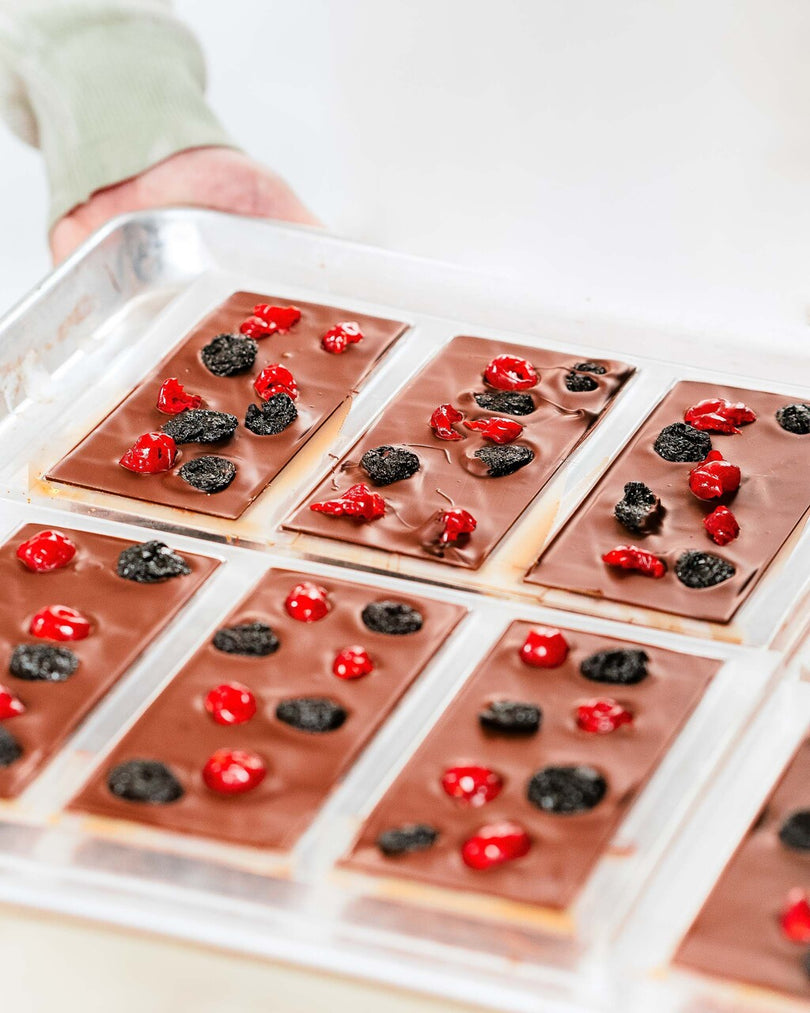
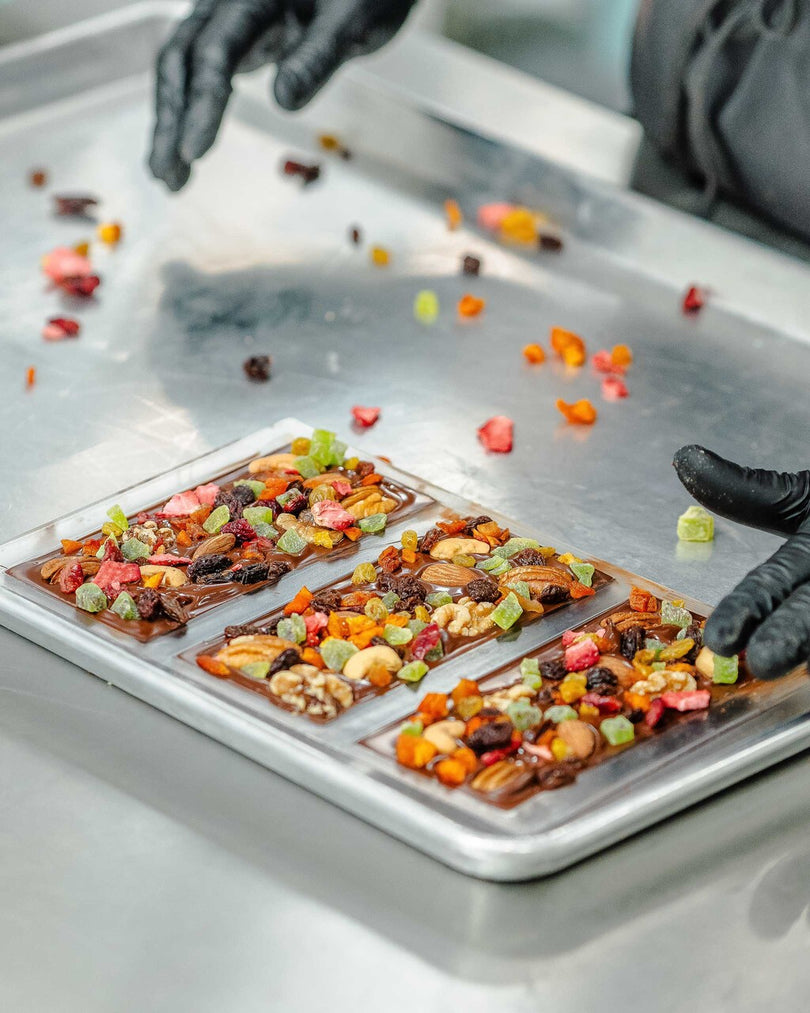
That same logic makes our California Berries Gourmet Chocolate Bar a natural fit for lighter reds, where dried strawberries, raspberries, and blueberries echo the wine’s brighter notes.

For a more complete chocolate tasting, our Vegan Dark Chocolate Assortment Gift Box gives you several textures and fruit-forward profiles to compare, making it easier to understand how different chocolates change the way each glass unfolds.
White Wine Pairings: Crisp & Creamy
White wines bring a different kind of balance, often shaped by citrus, honey, and stone fruit tasting notes. That brightness can turn sharp when paired with darker cacao, so the best pairings here rely on creaminess rather than intensity.
This is where chocolates with higher cocoa butter content work especially well, creating a creamy texture that softens acidity and helps the wine and chocolate feel more balanced.
Chocolates That Pair Best with White Wine: White Chocolate and Luxury Milk Chocolate
For Chardonnay, especially those with oak influence, pairing wine with white chocolate or richer milk chocolate creates a smooth, natural fit. If the chocolate includes salted caramel, that added layer brings warmth and depth, helping the wine’s buttery notes settle into the chocolate’s creamy sweetness without making the pairing feel too heavy.
For a crisper white wine, like Sauvignon Blanc, the pairing needs a lighter hand. Its citrus and herbal tones can turn sour against the wrong chocolate, which is why citrus-infused white chocolate works so well. Lemon or lime notes reflect the wine’s acidity while keeping the finish clean.
Best Compartés Selections
Our Lemon Shortbread Chocolate Bar works especially well with brighter whites, since the citrus and shortbread bring contrast while still supporting the wine’s acidity. That same balance carries into the Vanilla Bean Chocolate Bar, where layers of vanilla deepen the pairing without adding weight.

For something more textured, our Salted Caramel Crunch Chocolate Bar offers richness and structure, allowing the pairing to feel complete from the first taste through the finish.
Rosé and Blush Pairings: Delicate & Floral
Rosé sits between red and white wine, carrying berry notes with enough acidity to keep the glass feeling fresh. That balance makes it especially sensitive to chocolate that is too heavy or too bitter, which is why softer textures and fruit-led flavors tend to work best.
For this chocolate-and-wine pairing, the goal is to keep the finish clean while letting the wine’s floral and berry notes remain present.
Chocolates That Pair Best with Rosé: Milk Chocolate and Berry-Infused Chocolates
Dry Provençal rosé pairs beautifully with milk chocolate or ruby-style chocolate because the creaminess rounds out the wine’s dry finish. Instead of competing with the acidity, the chocolate softens it, letting the fruit come forward more clearly. However, sparkling wines need a slightly different approach.
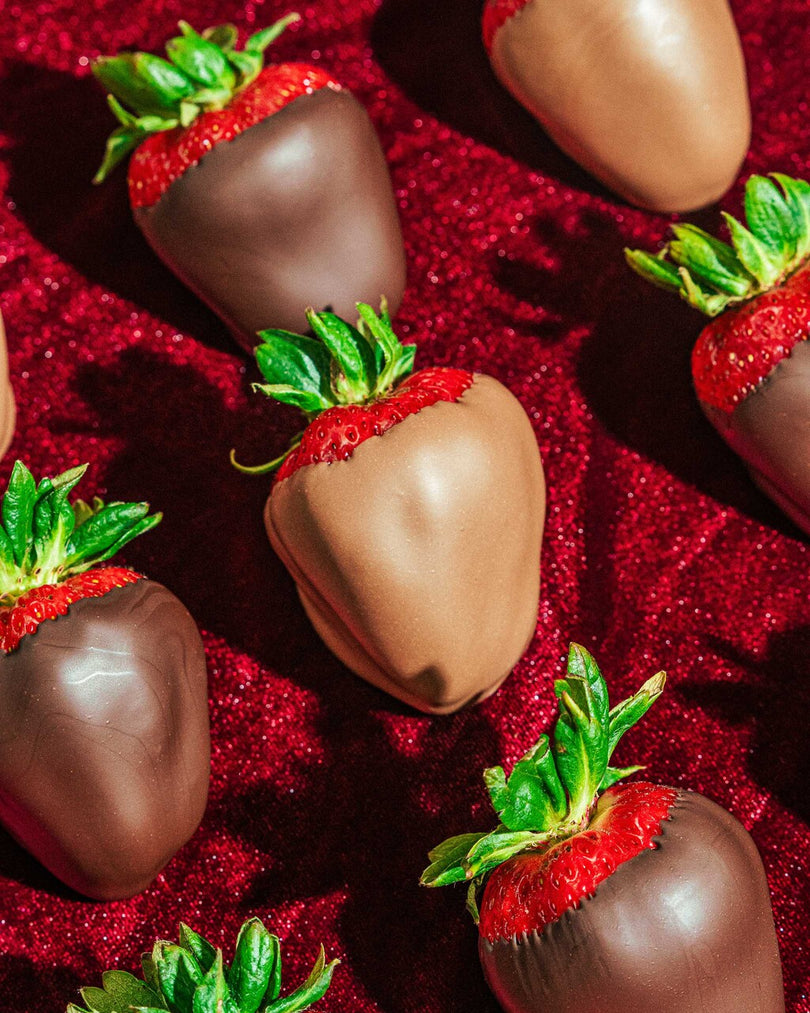
Their bubbles refresh the palate between bites, which makes chocolate-covered strawberries or berry-filled truffles especially strong pairings. The fruit echoes the wine’s red berry notes, while the chocolate adds enough richness to make the pairing feel complete.
Best Compartés Selections
Our Pink Chocolate Covered Oreos work well with dry rosé because the ruby chocolate brings color, creaminess, and a gentle tartness that mirrors the wine’s softer fruit.
For sparkling rosé, our Chocolate Covered Strawberries offer the cleanest pairing, with fresh berry acidity playing against the bubbles. The Raspberry Chocolate Truffles Gift Box adds more depth, giving the pairing a richer center while still keeping the fruit bright and lifted.

Create your own wine and chocolate pairing experience with Compartés
When it comes down to it, chocolate and wine pairing is about knowing how flavor works and trusting what you taste. At Compartés, we craft confections with that same focus, so you can explore combinations that feel indulgent, balanced, and worth coming back to.
Frequently Asked Questions
How should I serve chocolate and wine for a tasting?
Serve the chocolate at room temperature so it can soften properly and release its full flavor. Cold chocolate tastes muted, which makes the pairing harder to enjoy. We recommend starting with lighter chocolates first, then moving toward richer pieces.
Take one sip of wine, let the chocolate melt slowly, then sip again. That simple order helps you notice how the wine and chocolate change together.
I’m gifting a bottle of Sparkling Wine; what should I buy?
If you are gifting sparkling wines, we recommend pairing them with fruit-forward chocolates or chocolate-covered strawberries. The bubbles help refresh the palate between bites, while the fruit brings brightness that feels natural beside Champagne or Prosecco. For a softer pairing, our white chocolate pieces add creamy sweetness without weighing down the wine.
Can I pair Dark Chocolate with White Wine?
You can pair dark chocolate with white wine, but we usually recommend choosing carefully. Lighter whites can turn sharp beside darker cacao, especially if the chocolate is intense. For an easier match, we suggest milk chocolate or white chocolate with crisp whites. If you love dark chocolate, choose a richer white or dessert wine with enough body to hold the pairing.
Does the percentage of cacao matter?
Yes, cacao percentage matters because it changes the weight, sweetness, and finish of the chocolate.
Higher percentages usually taste deeper and less sweet, which is why they often work better with bold reds like Cabernet Sauvignon. Softer reds like Pinot Noir can pair better with lower-percentage dark chocolate or fruit notes. At Compartés, we always think about balance first.